Alexey Fateev, CTO, and Dmitry Shmonov, Software Engineer at AIOM, discuss their successful application of the C3D Vision module in the PAZL:TAKT mine planning system.
About five years ago, while our team worked on mining information systems for a famous software corporation, we encountered a large number of complaints about the software. This prompted us to create a new product, a state-of-the-art, convenient mine planning tool tailored to the actual needs of the mining industry. When the company left the Russian market, it opened up an opportunity for us. That's how we launched a startup.
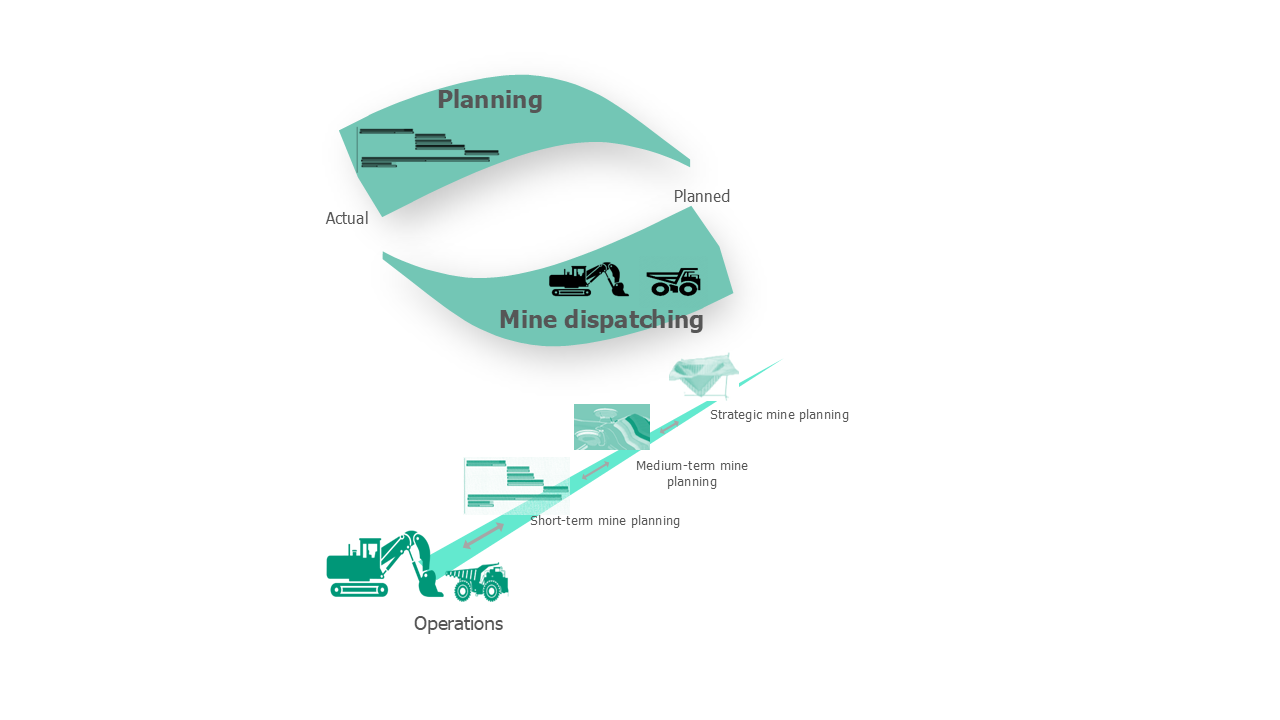
Fig. 1. Comprehensive mine planning system
Our goal was to create a comprehensive mine planning system that embraces the entire lifecycle: from strategic to short-term planning and equipment management (fig. 1). The result would be a solution integrated with the dispatching and high-precision positioning systems. Mining operations should undergo deep optimization, and the optimization results help control the mine dispatch system. Actual progress is reported and used for planning, which helps the operation meet its volume and quality targets.
Advanced planning and scheduling systems (APS) are commercially available and widely used in the manufacturing industry, but they do not meet the specific requirements of the mining industry. Mine planning involves scheduling and volumetric planning to extract the required amount of quality ore.
A colleague once noted: “A mine is not a supermarket. You do not take what you want. You take what you can”. Mine planning is a 3D process. It requires precise positioning and estimation of production volumes to meet the ultimate goal, like uninterrupted operation of the concentrating mill. Unlike classic APS systems, which manage workpiece routing between machine tools, mine planning tools put together 3D space, production volumes, and process constraints.
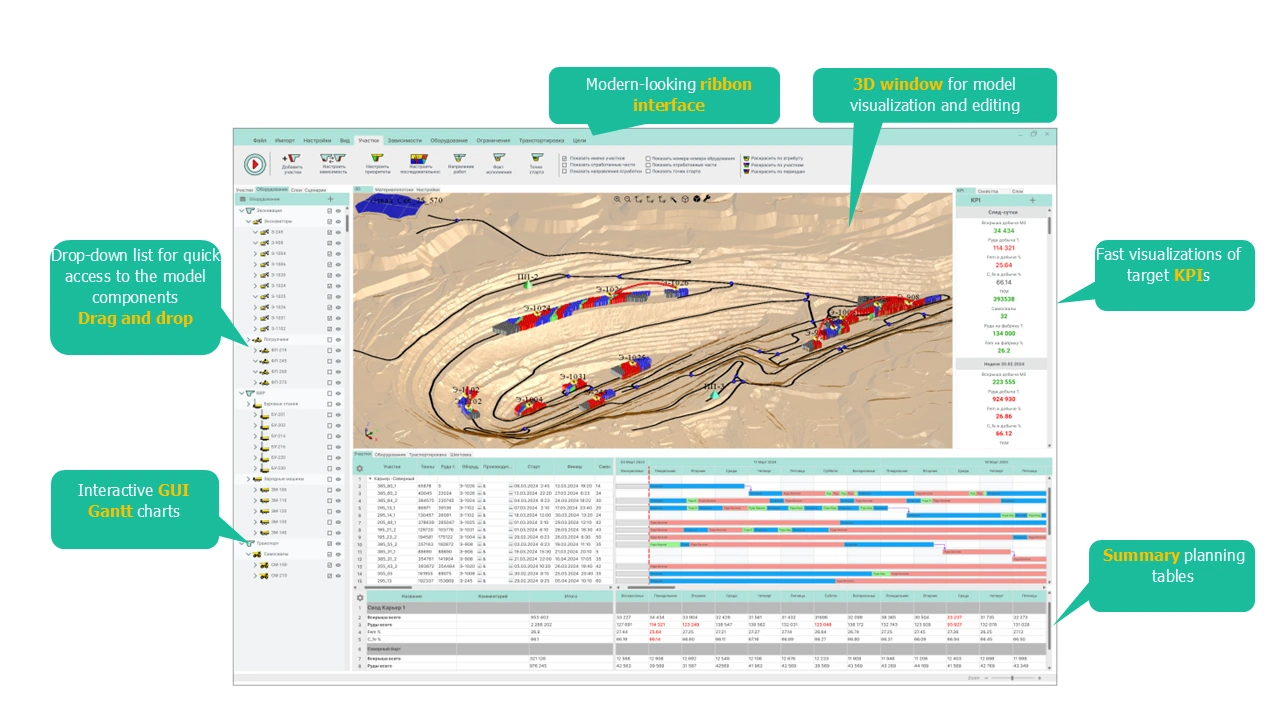
Fig. 2 GUI concept
3D visualization of mining plans is a key component of the system: mining engineers need to immediately see where and what they plan to carry out in the mine. So the entire solution is built around a 3D environment where users view and edit mining plans in the context of the 3D mine model, with no need to switch to Gantt charts. (fig. 2).
The system’s functionality goes beyond 3D visualization (it performs optimization, for example), but 3D visualization remains its main pillar. We have created a user interface with simultaneous access to 3D models, equipment, properties, and configurations, and an interactive Gantt chart. All data are synchronized.
We needed a suitable 3D component to implement all this. Our experience at the software corporation suggested that a third-party kernel would be required. However, we couldn't find an off-the-shelf domestic solution that would suit us. All top-quality kernels were from international vendors. Then we learned about the experience of 3B Service, a company that solved similar problems in the construction industry and had already switched to C3D Vision. We reached the C3D kernel team, and they quickly responded, showing a proactive, flexible approach,
Another key factor was that C3D Labs offered a special initiative for startups, so we could minimize costs. We were not ready to invest in the development of open-source solutions with uncertain results, but C3В Labs gave us both an out-of-the-box tool and support. As a result, we opted for C3D Vision as the primary visualization component and began its integration.
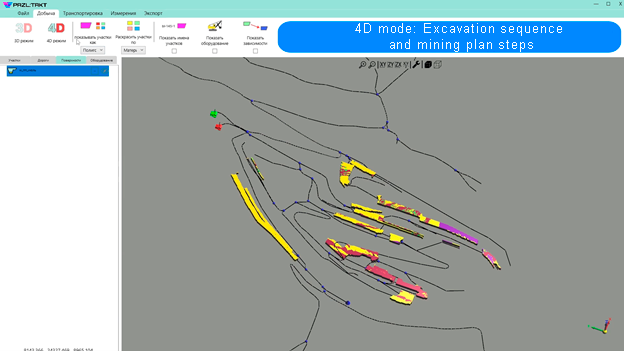
Fig. 3. Visualization: planning of quarry operations
We are using the .NET WPF platform in PAZL:TAKT, which significantly complicates the selection of a suitable 3D kernel. Still, with C3D Vision, we managed to implement all the functions we needed. A single scenario can include multiple quarries. Each ore body is represented by a multitude of visualized building blocks. Their number can reach tens and hundreds of thousands (fig. 3). Each block’s appearance is customizable: you can change the color, angle of rotation, and transparency (fig. 4).
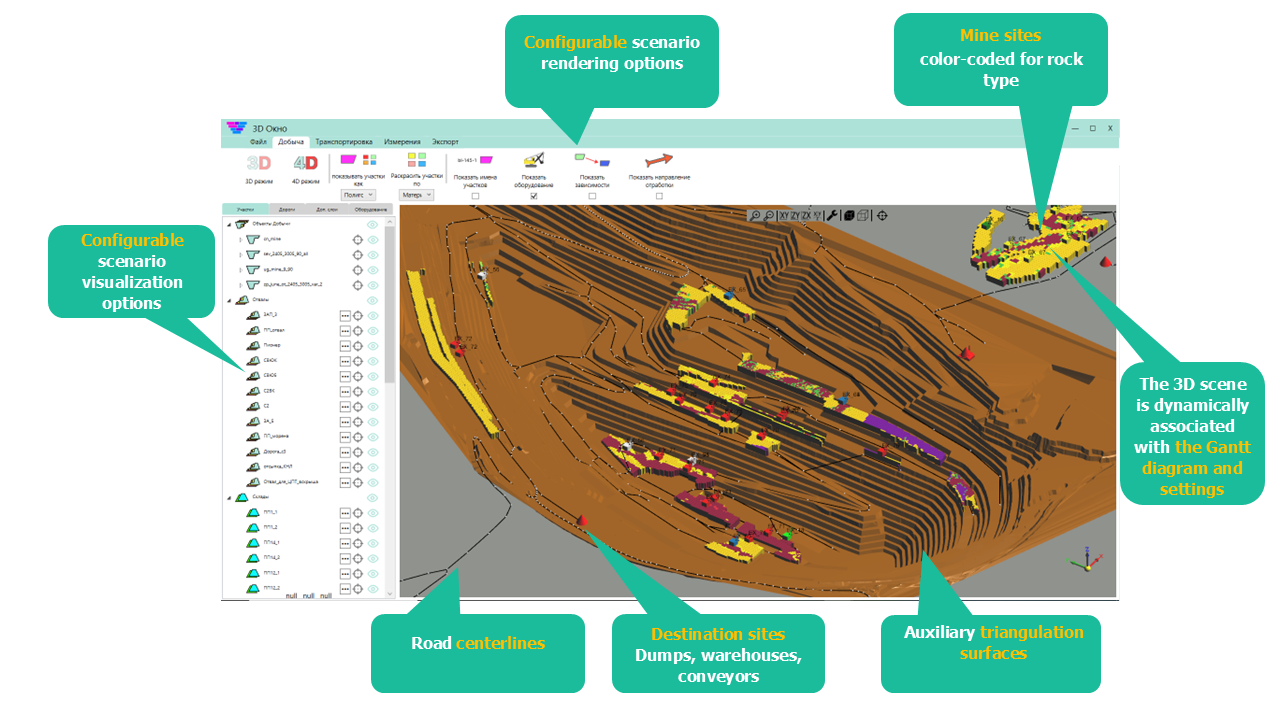
Fig. 4. 3D visualization of a mine working.
For convenience, blocks are combined into groups (scene segments), within are easier to manage. Each block is a MathGroupItem object with editable properties. For rotation, the object matrix is recalculated; for color changes, the SpecialMaterialColor property is updated. Some visualization properties are linked to visual controls. For example, you can add checkboxes to show/hide the scene segments.
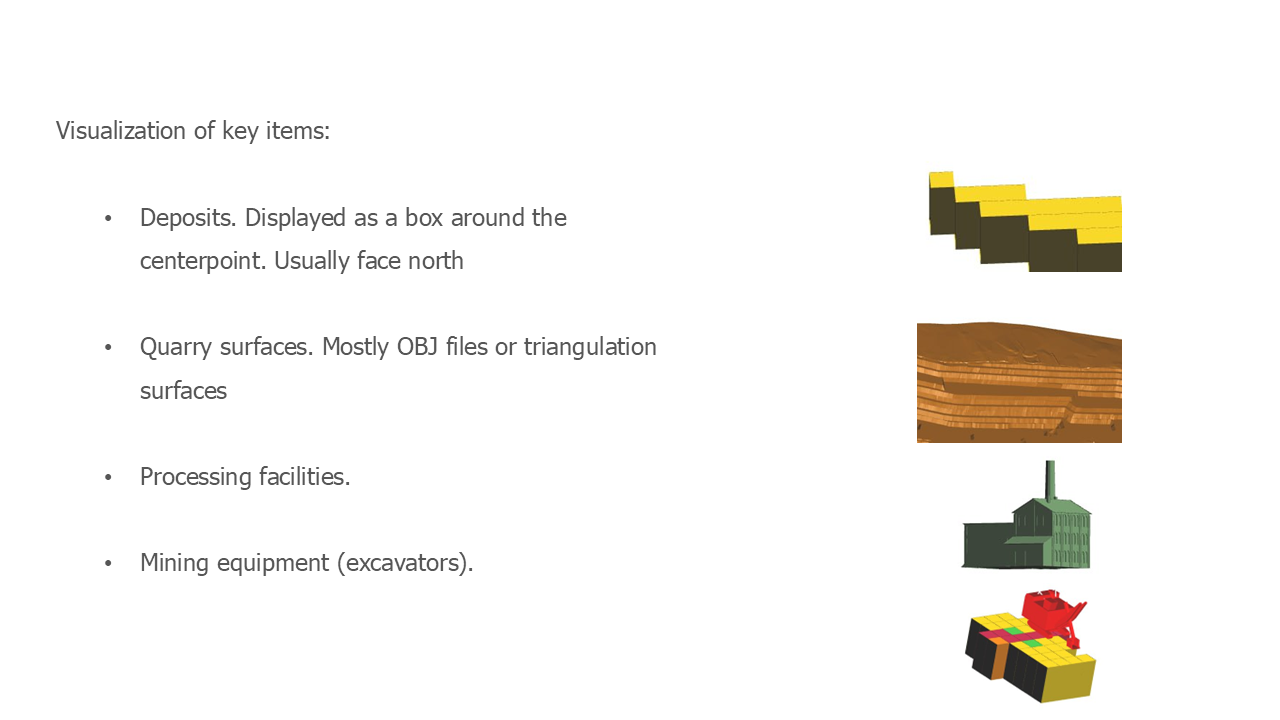
Fig. 5. Basic requirements for a visualization tool
The system visualizes three categories of objects: key objects, user settings, and scenario parameters (fig. 5). The key objects are extraction and processing facilities and equipment. They are stored in the OBJ format. Quarry surfaces are also imported from this format. Our system supports non-conventional triangulation: the user uploads two files, one containing point coordinates and one containing triangles defined by point numbers. The C3D kernel is a very efficient visualization tool. It loads the triangles, builds the normals, and then creates a mesh using these normals. All this is only a few lines of code. The object caption properties like color, height, and font are also customizable. These settings can be applied on the fly and are easy to implement using the 3D configuration functions.
There are scenario settings, like a mining sequence. The arrows on the screen are Visual 3D Model objects. You can rotate it using the mouse to specify a rotation angle for block regeneration and color-coding. The 4D window represents a scenario divided into logical periods. Each period is a scene segment containing excavator coordinates at a specific point in time. When needed, a relevant segment is activated or deactivated. In this way, we animate the scene for better visualization.
We have managed to create a visualization module quite close to the original concept. With the integration of the C3D kernel into PAZL:TAKT, we made a powerful tool for visualizing complex scenes with a large number of objects and processes. The C3D kernel generates a clear scene with intuitive elements. It is interactive: the user can analyze and edit the scenario on the fly. It optimizes: the visualization helps identify bottlenecks, analyze equipment utilization rates, and adjust production plans. PAZL:TAKT with the C3D kernel opens up a road to more efficient and convenient mine planning tools.
CTO
AIOM
Software Engineer
AIOM